Head office: 1355 London Road, London SW16 4BE
Covering London, Surrey and surrounding counties Residential and commercial work

Walls, floors and external finishes

Plastering in London and Surrey

Skim, re-plaster and repair for walls and ceilings, left ready for decoration. E&N Build Group plasters as a standalone job, or as the stage that finishes an extension, a loft, a kitchen or a partition.
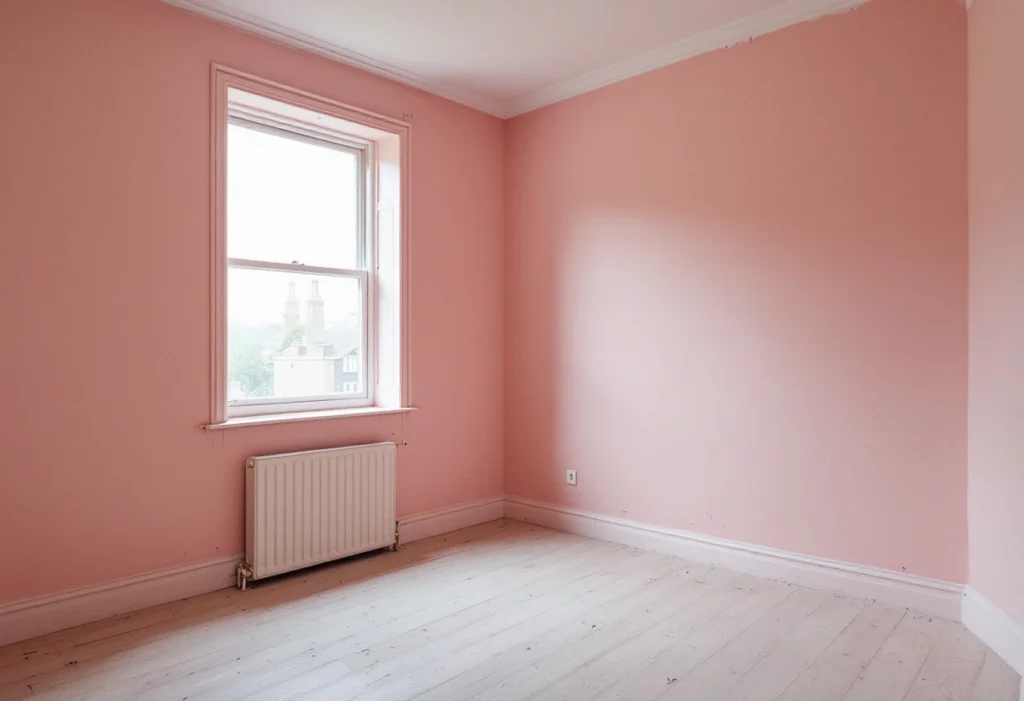

Freshly skimmed plaster walls drying in an empty room (illustrative)
Fresh skim coat · illustrative Fig. 01
  • Skim, re-plaster, repair

    Walls and ceilings, ready to decorate

  • Standalone or part of a project

    Or the finishing stage of a larger job

  • Free site visit and quote

    Written scope before anything is priced

  • London, Surrey and surrounding counties

    Coverage confirmed per project

What the work covers

Skim, re-plaster or start again: the surface decides.

Plastering is three different jobs depending on the wall. A sound wall with a tired surface needs a skim coat. Blown or hollow plaster needs hacking off and re-plastering. A wall that's beyond that, or a new stud wall, is boarded and skimmed. The site visit is where we tap the walls and tell you which you have; the guide on whether cracked or blown walls need a skim, a re-plaster or plasterboard explains the difference.

Ceilings, reveals around new windows, patches after electrical or plumbing work and the making good after a wall comes out are all part of the same trade, so they're priced in the same scope. Where new walls or ceilings are needed first, that's plasterboard, dry lining and partitions; for the outside of the building, see exterior rendering.

The finish is left ready for decoration, and the decorating can be part of the same job: see painting and decorating. Drying times depend on the plaster, the thickness and the room; we tell you what to expect for your walls, and how long new plaster takes to dry covers mist coats and painting.

Typically part of a plastering job

  • Assessing each wall and ceiling: skim, re-plaster or board
  • Hacking off blown plaster and preparing the background
  • Beads, reveals and corners
  • Skim coat or full re-plaster, trowelled ready for a mist coat
  • Protecting floors and fittings, and clearing up

Coverage is confirmed per project: see the areas we cover for this work, and send the property postcode with your enquiry.

Plasterer's trowel and hawk beside a freshly skimmed wall (illustrative)
Skimming tools · illustrative Fig. 02

To quote this job, tell us

  • The rooms, and whether it's walls, ceilings or both
  • What the surfaces are like now: cracked, hollow, damp, bare board
  • Whether any walls are coming out or going in
  • Whether decoration is following straight after
  • Whether the room is in use during the work

Photos of the worst areas, close up and from across the room, help us before the visit.

Cost

What affects the cost

What drives the cost of plastering:

  • Skim, re-plaster or board-and-skim: the preparation is most of the difference
  • The area, and how much of it is ceiling
  • Corners, reveals, coving and detail
  • The state of the background: damp, uneven or loose
  • Access, furniture and whether the room stays in use

We don't publish prices, because two jobs that sound the same rarely cost the same. Every quotation follows a free site visit and comes with a written scope, so you can see exactly what is and isn't included. For what drives the price, read what plastering costs per room and per square metre.

How we work

Four steps from first call to handover.

See the full process
  1. 01

    Enquiry

    Tell us the property, the work you have in mind and whether you already have drawings.

  2. 02

    Site assessment

    We visit, look at access and structure, and talk through the options with you. The visit is free.

  3. 03

    Scope and quotation

    A written scope that sets out what is included, and what isn't, before work starts. The quote is free.

  4. 04

    Build and handover

    The agreed work in the agreed sequence, then a handover with the documentation that applies to your job.

Read preparing for plastering and plasterboard work for what to move, cover and expect on the day.

Related work

Common questions

Before you ask.

Skim or re-plaster: how do I tell?

Tap the wall. A hollow sound means the plaster has come away from the background and needs to come off; a sound wall with surface cracks or an uneven finish can usually be skimmed. We check every wall at the site visit.

How long before I can paint?

It depends on the plaster and the room. New plaster needs to dry through before a mist coat; how long new plaster takes to dry explains the signs to look for.

Do you plaster over artex or textured ceilings?

Often, after the right preparation; older textured coatings can contain asbestos and must be tested before they're disturbed. We'll advise at the site visit.

Walls ready for a fresh start?

Tell us the rooms and what the walls are like. We'll say skim or re-plaster.

Request a plastering quote